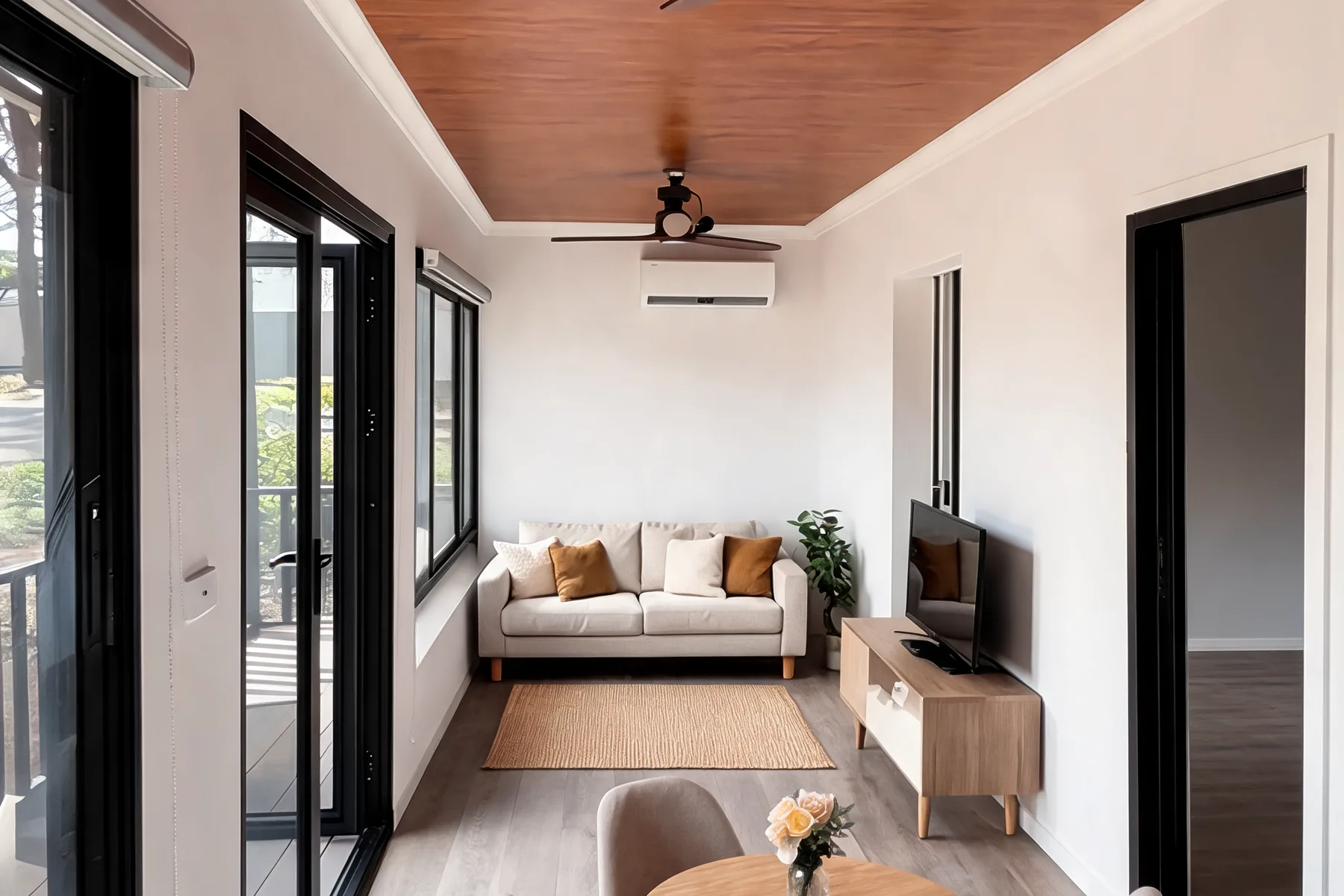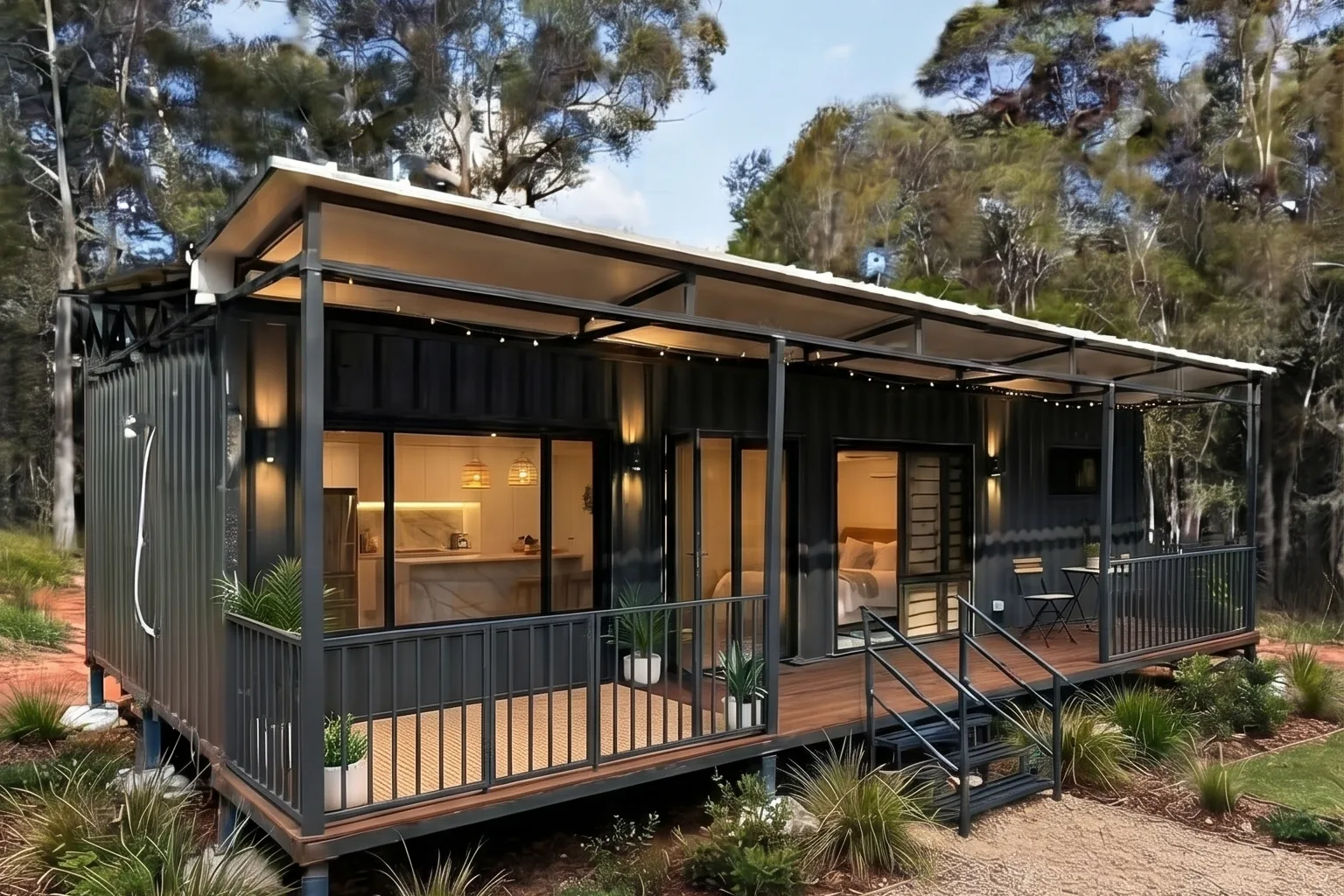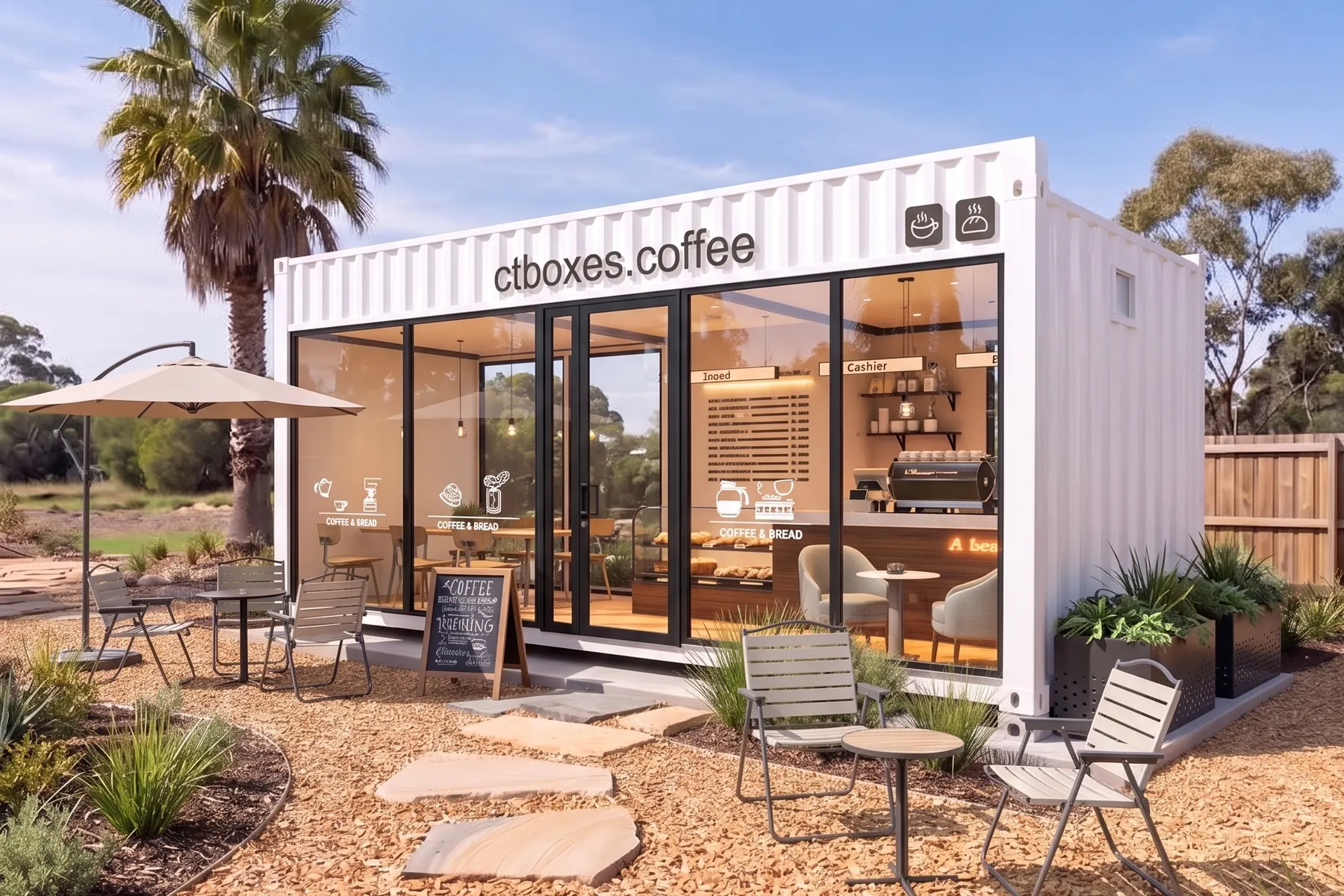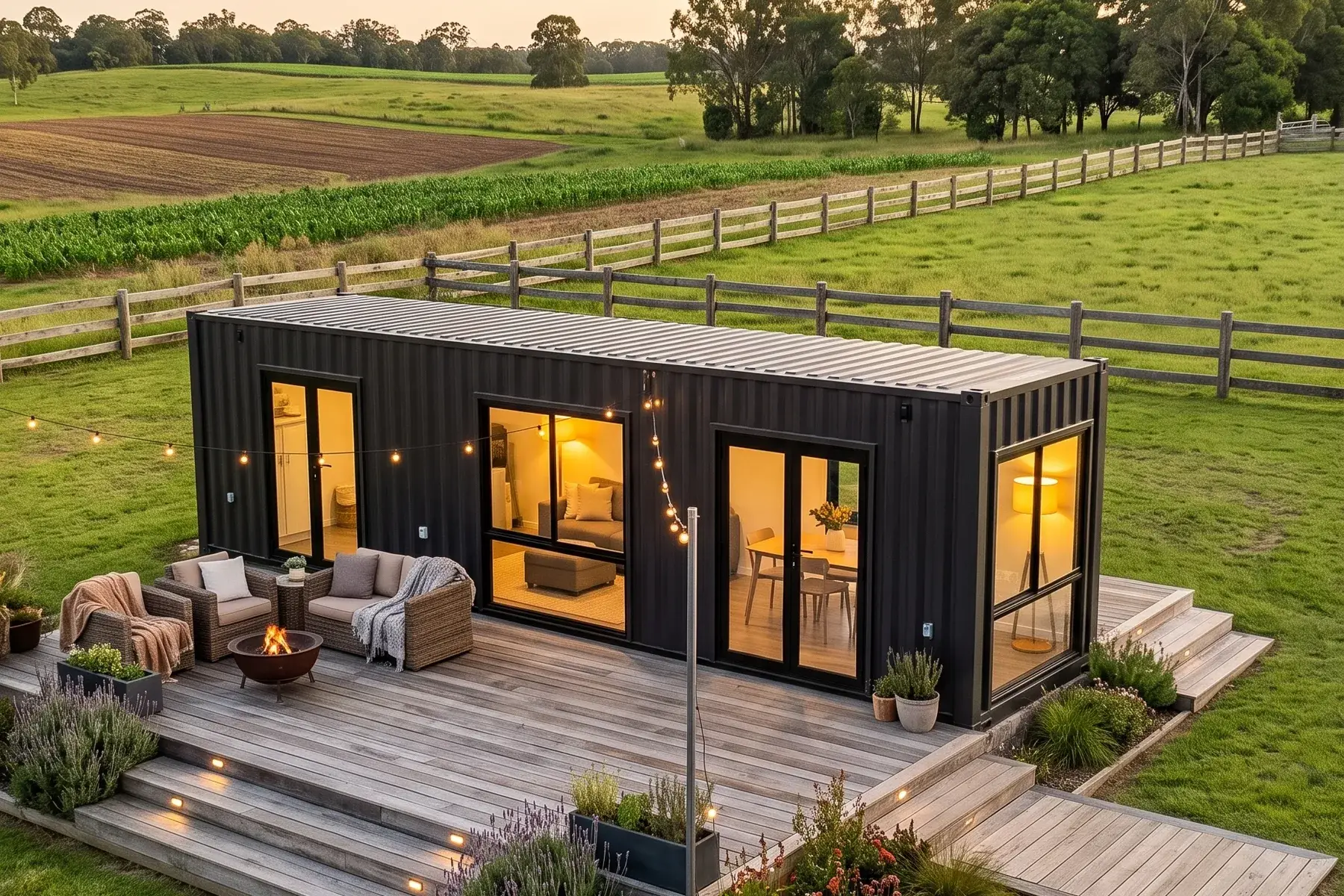
A second dwelling built for short stay guests can earn income from land you already own. Here is how to think about it before you run the numbers.
More owners are looking at the space behind the house and asking whether it could earn its keep. A fully finished container home can be ready for guests soon after it is set down, which makes it one of the faster ways to add a short stay listing to a property you already own.
Why guests book container homes
- Privacy, with its own entry, deck and outdoor area
- A design that photographs well on listing sites
- Full kitchen, bathroom and bedroom rather than a hotel room
- Settings guests cannot get in the city, from bushland to acreage
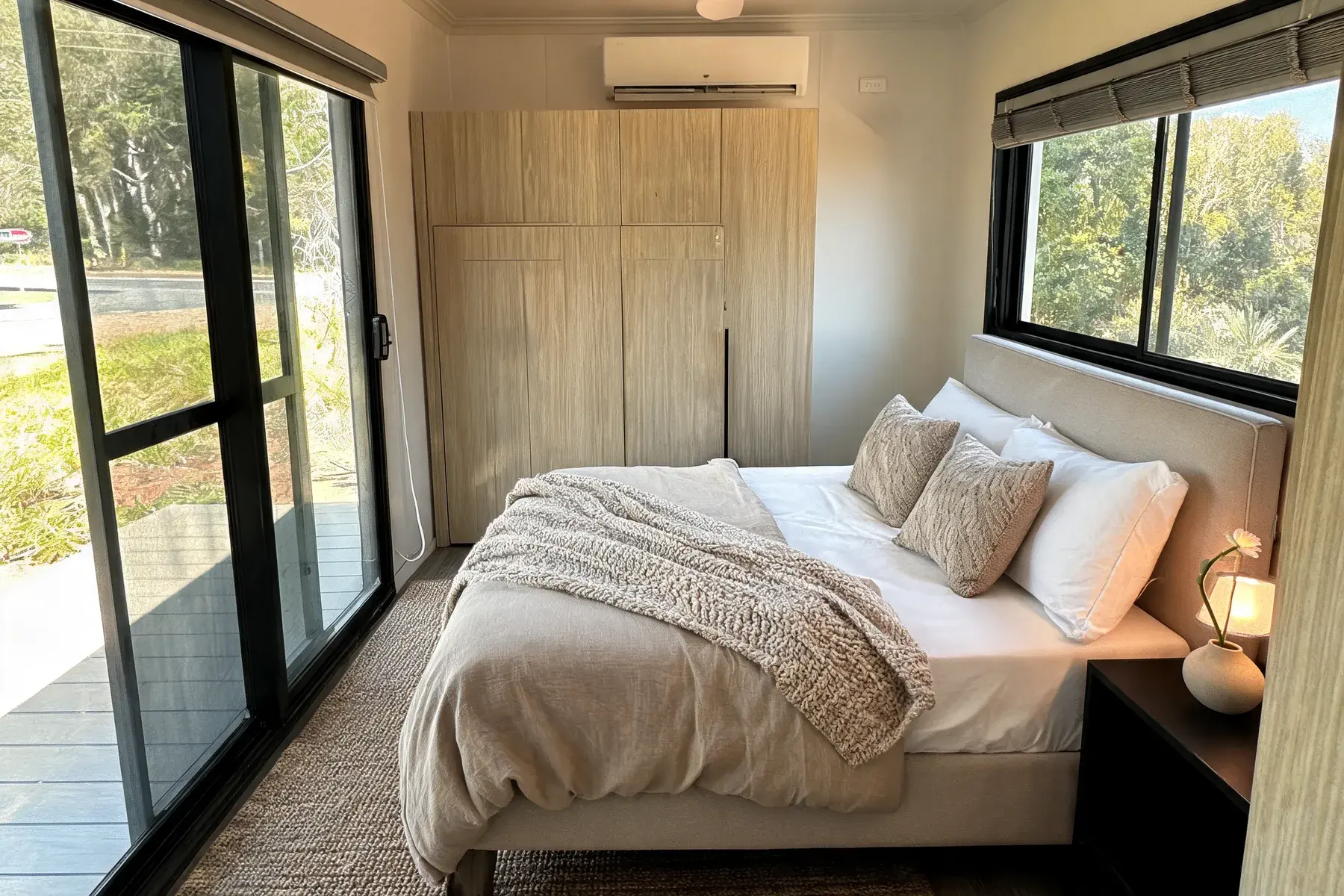
What affects the return
Nightly rates and occupancy move with location, season and how the home is presented. Market data services such as AirDNA publish averages for short stay listings by area, which are a useful starting point but not a forecast for any single property.
Costs to include
- Cleaning, linen and restocking between stays
- Platform fees and any management fees
- Insurance suited to short stay use
- Rates, utilities and maintenance
- Tax on rental income and possible capital gains implications
Check your council first
Some councils restrict short stay accommodation or require a permit, and the rules for a secondary dwelling can differ from a main house. Confirm what is allowed on your lot before you buy.
Figures referenced are market averages, not a forecast for any specific property. Returns are not guaranteed. This is not financial advice. Speak with your accountant and confirm short stay approval with your council before buying.